
Modern drones and cordless tools demand batteries that can deliver large current bursts without excessive voltage sag, overheating, or premature aging. That is why high discharge battery packs, most often built with LiPo (pouch) or Li-ion (cylindrical) cells, have become a core component for FPV/RC platforms, industrial UAVs, and torque-heavy power tools.
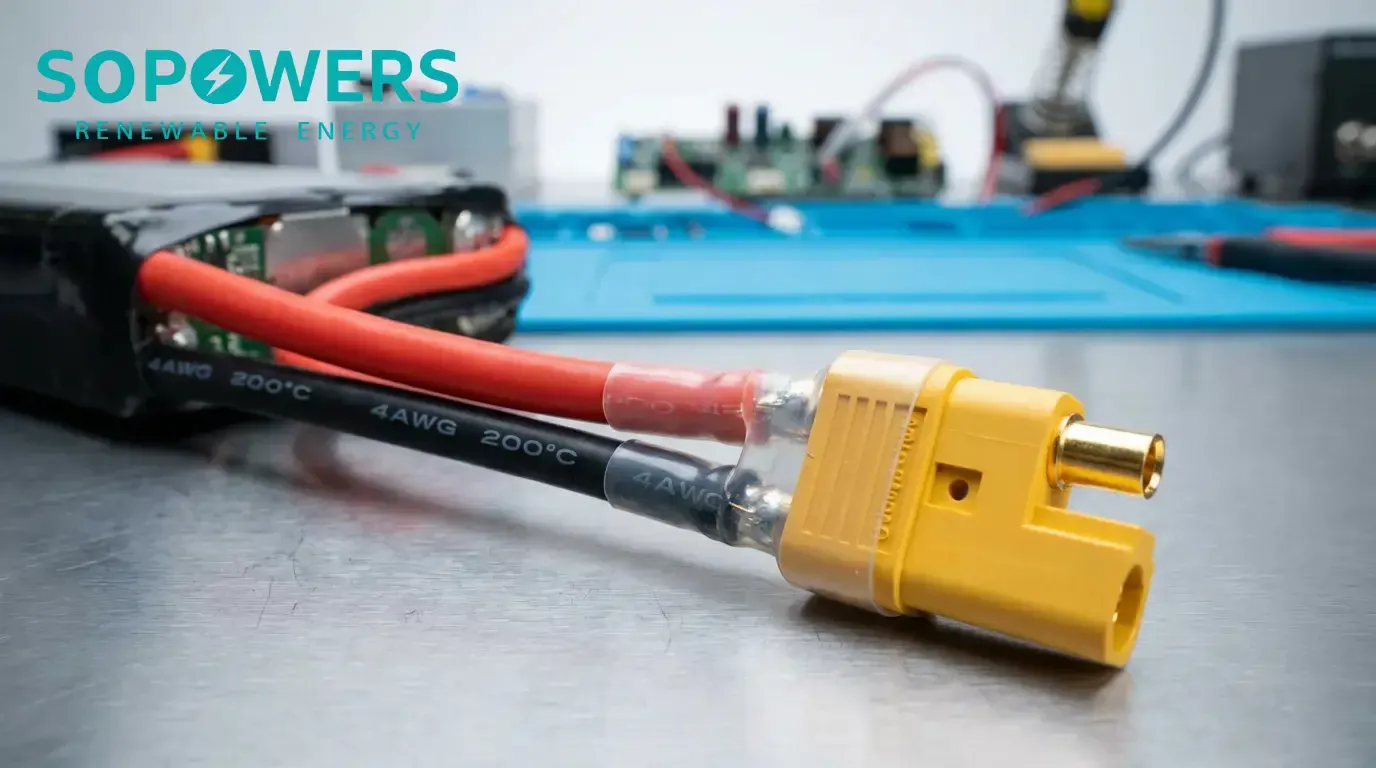
What “High Discharge” Really Means (And Why Claims Often Disappoint)
Discharge capability is typically described using C-rate: 1C means the battery can (theoretically) discharge its rated capacity in 1 hour. For example, a 2,000 mAh (2.0 Ah) pack at 20C implies 40 A continuous (2.0 Ah x 20). Practical performance depends on internal resistance, temperature, pack design, and how the rating was tested, which is why buyers often see big label numbers but inconsistent real-world output.
Two key takeaways for technical buyers and distributors:
- Continuous vs burst ratings are not interchangeable. Burst is usually a few seconds, not a full mission profile.
- Higher discharge capability increases heat and stress, which can reduce usable capacity under load and shorten cycle life if not engineered and validated properly.
LiPo vs Li-ion vs LiFePO4: A Practical Comparison for Buyers
Most purchasing decisions come down to trade-offs between power (how hard you can pull), energy density (how long you can run), durability, and safety. The table below summarizes typical, market-common positioning referenced across industry guides and manufacturer education materials.
| Chemistry / Format | Strengths for high discharge use | Typical limitations | Best-fit use cases |
|---|---|---|---|
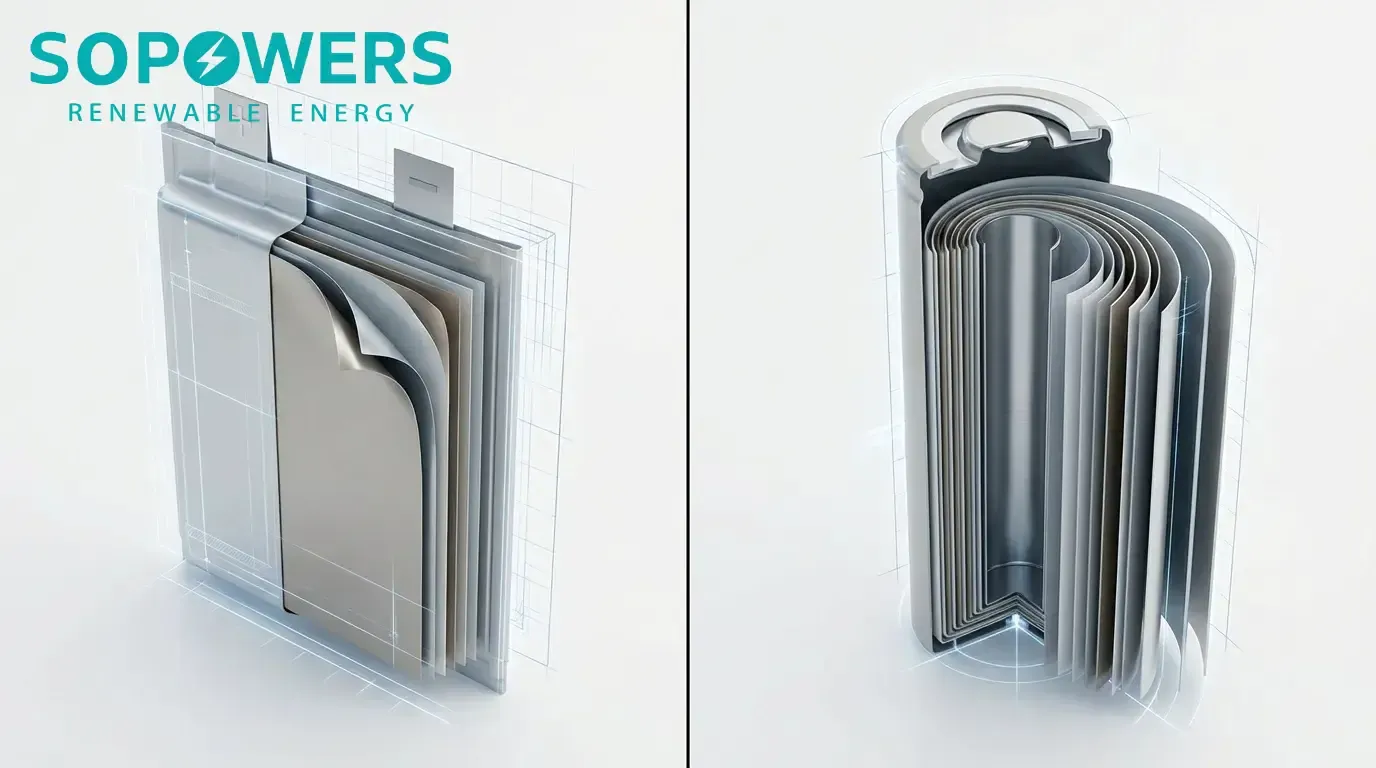
| LiPo (pouch, often NMC/NCA) | Very high power capability, flexible shapes, strong burst output | More sensitive to abuse, heat management is critical, cycle life can drop quickly at high load | FPV/RC drones, racing, high burst UAV profiles |
| Li-ion (cylindrical 18650/21700, often NMC/NCA) | Strong energy density with solid power, mechanically robust, standardized | Usually lower peak discharge than top LiPo packs, pack design and BMS tuning matter | Power tools, some industrial drones needing endurance plus moderate-high current |
| LiFePO4 (LFP) | Strong thermal stability and long life, good safety margin | Lower energy density (more weight for same runtime), lower voltage per cell | Applications prioritizing safety and cycle life over weight |

Note: The chart is intentionally simplified to help compare categories. Actual continuous discharge depends on cell model, thermal design, pack construction, and test conditions.
Which Battery Type Fits Your Application: FPV/RC, Industrial UAV, or Power Tools?
Below are application-oriented selection rules that help buyers avoid mismatched packs and return-rate surprises.
FPV and RC drones (burst-heavy, weight-sensitive)
Common needs include rapid throttle transients and strong burst current to reduce voltage sag during punch-outs. In practice, buyers often prioritize:
- Low internal resistance consistency across a batch (to avoid “good pack vs bad pack” variability).
- Wiring and connectors sized for real peak current.
- Realistic C-rate guidance tied to the aircraft all-up weight, motor/prop selection, and flight style.
Industrial drones (endurance plus reliability, often broader temperature range)
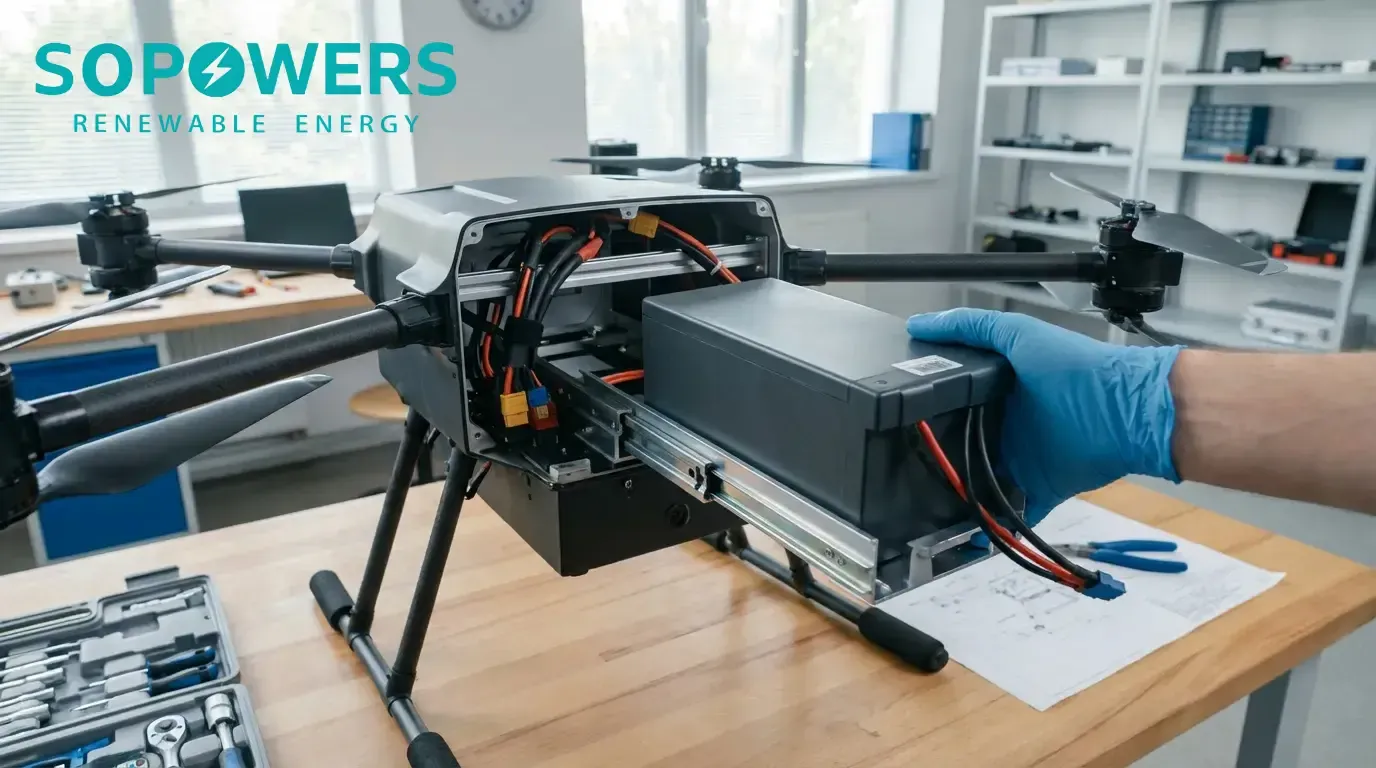
Industrial UAVs typically need stable power over longer missions, with higher emphasis on safety documentation, predictable degradation, and temperature behavior. Many platforms use larger 6S to 12S architectures and pack designs that may include a BMS, depending on the system.
If operations occur in cold environments, low-temperature behavior must be specified and validated because voltage sag increases and usable capacity drops as cells get colder.
Cordless power tools (shock, stall current, and fast-charge realities)
Power tool packs must tolerate:
- High momentary current spikes under stall/impact conditions.
- Mechanical vibration and jobsite handling.
- Fast-charge profiles that can accelerate aging if not tuned to the cell and thermal path.
Market momentum is strong here. Multiple research firms project continued growth in cordless and battery-powered tools through 2030 and beyond; see, for example, Grand View Research’s cordless power tools market coverage and Precedence Research’s battery power tools market outlook.
How to Compare Packs Fairly: Performance Validation, Heat, and Compliance
Distributors often face exaggerated specs in the market. A practical way to reduce risk is to standardize what you request and how you compare.
Ask for performance evidence that matches your duty cycle
Instead of relying on label C-rate alone, request:
- Discharge curves at a defined current and ambient temperature.
- Internal resistance measurements and batch variation approach.
- Thermal behavior guidance at peak load (how hot it gets, how fast).
Understand the real cost of “more power”
Higher discharge capability usually increases heat and stress. That can mean:
- More voltage stability under load (good),
- But potentially shorter cycle life at aggressive usage (trade-off),
- And tighter requirements for connectors, busbars, and protection design.
Compliance that matters for global shipments
For export-focused procurement, transport and safety documentation is not optional.
- UN 38.3 is the baseline transport test requirement for lithium batteries. Official documentation is available from the UN Manual of Tests and Criteria, Section 38.3.
- In the US, guidance on lithium battery transport rules and test summaries can be referenced via PHMSA’s lithium battery page.
- For air cargo constraints and handling practices, consult the IATA lithium battery guidance document.
- For product safety requirements commonly referenced in many markets, IEC 62133-2:2017 is frequently used as a safety benchmark for portable secondary lithium cells and batteries.
For distributors, the most expensive outcome is re-testing or re-certification triggered by frequent design changes. A stable, well-documented platform strategy reduces both time and cost.
How Sopowers Supports Distributors: Specification Matching, Screening, and Post-Delivery Help
Sopowers operates as a solution-oriented export partner for drone and industrial battery programs, with a workflow designed to reduce the uncertainty buyers face when performance claims are unclear.
What this looks like in practice:
- Pre-delivery solution matching and technical confirmation: based on your application scenario, Sopowers helps validate capacity, voltage, power rating, and feasibility before production is finalized.
- During delivery: packs go through factory testing and consistency screening to improve unit-to-unit stability.
- After delivery: technical support and troubleshooting help analyze root causes (for example, voltage sag, overheating, swelling) and provide optimization recommendations for charging, cooling, and operating limits.
To support international coordination, Sopowers can also align communication and logistics planning through business hubs in Downtown Dubai, the Museum of the Future area, Business Bay, and Marina, helping distributors manage timelines across Europe, America, and Ukraine without overpromising.
Quick buyer checklist (copy/paste for RFQs)
- Application: FPV/RC, industrial UAV, or power tool (include duty cycle and peak current estimate).
- Voltage system: target series count and nominal voltage.
- Environment: minimum and maximum operating temperature.
- Constraints: maximum weight, size, connector type, and cable gauge expectations.
- Documentation needs: transport tests (UN 38.3), and any market-specific safety documentation you require.
If you share these inputs, it becomes much easier to recommend the right chemistry (LiPo vs Li-ion vs LiFePO4), validate realistic discharge expectations, and reduce the risk of field failures and returns.


